Could Federal Cuts Have Worsened the Cyclospora Outbreak? Rachel Uda, Health and Business Editor Sun, July 26, 2026 at 9:54 PM UTC 13 Could Federal Cuts Have Worsened the Cyclospora Outbreak? As cyclosporiasis continues to sicken Americans, experts have begun to question whether the outbreak could have been more quickly contained if not for recent federal cuts impacting the country’s food safety programs.
Could Federal Cuts Have Worsened the Cyclospora Outbreak?

Rachel Uda, Health and Business Editor Sun, July 26, 2026 at 9:54 PM UTC
13
Could Federal Cuts Have Worsened the Cyclospora Outbreak?
As cyclosporiasis continues to sicken Americans, experts have begun to question whether the outbreak could have been more quickly contained if not for recent federal cuts impacting the country’s food safety programs.
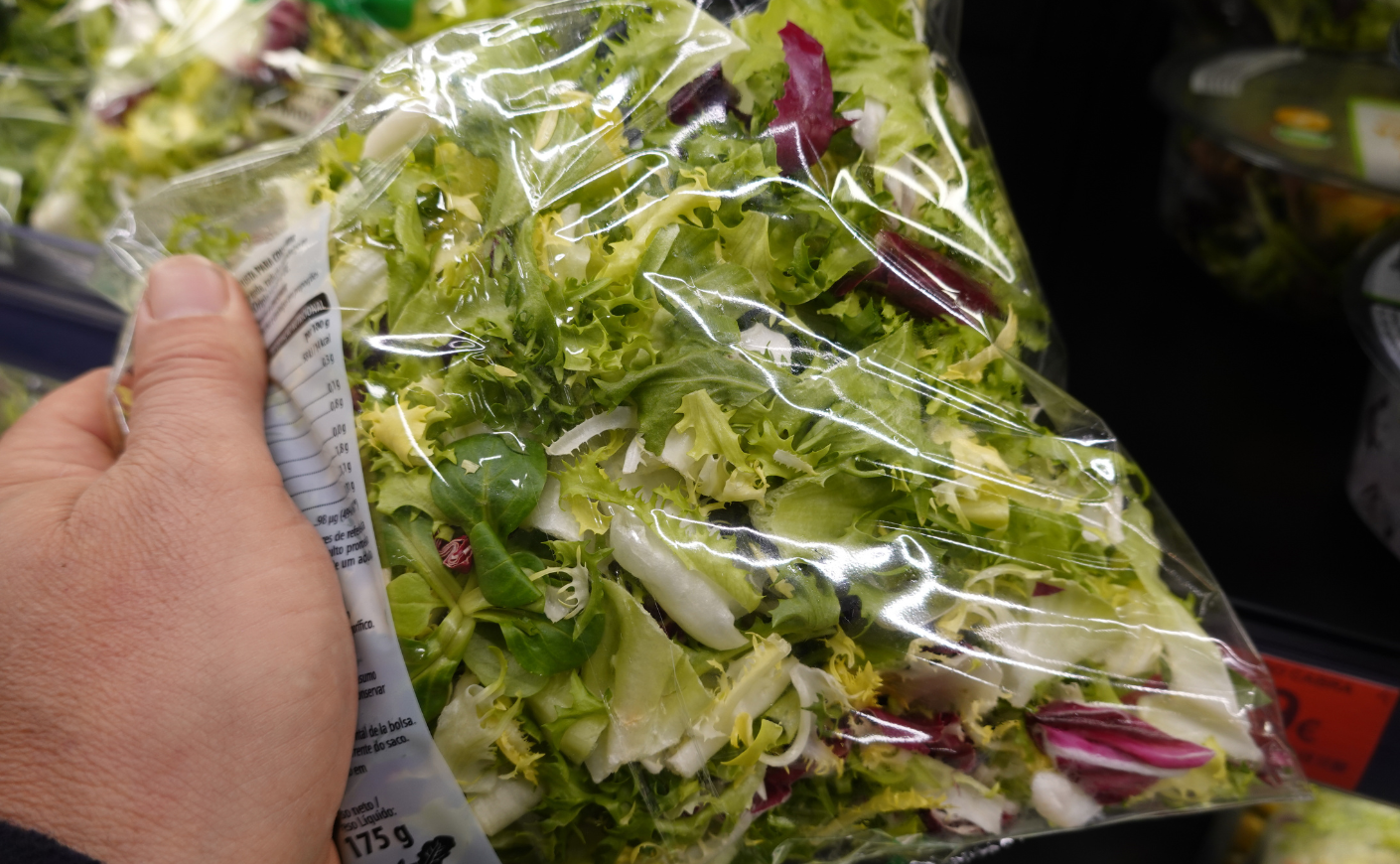
The Centers for Disease Control and Prevention has linked 1,947 cases of cyclosporiasis in nine states to iceberg lettuce that was grown in Mexico and shipped nationwide by Taylor Farms, one of the largest fresh produce distributors in North America. This year alone, more than 11,500 people across 41 states have fallen ill — the largest ever cyclospora caseload on record in the U.S. The illness is caused by a parasite that typically spreads through food or water contaminated with human feces, and leads to explosive diarrhea that can last for weeks.
“This is a very large outbreak because we didn’t stop it in time,” says Kellogg J. Schwab, PhD, a professor of public health at Johns Hopkins, adding that with reductions in staff and funding for federal food surveillance programs, an outbreak like this “was inevitable.”
Here’s a closer look at how the gaps in America’s food safety net may have left the country more vulnerable to cyclosporiasis and other foodborne illnesses.
Federal cuts and the cyclosporiasis outbreak
Food safety programs have been under-resourced for decades, but some experts say cuts to the FDA and CDC under the second Trump administration have slowed the country’s cyclospora response.
“The response is being hampered by the loss of specialized staff and the loss of hands-on-deck needed to identify the source of the outbreaks,” Joel Barratt, who led a team of scientists at the CDC responsible for identifying parasitic outbreaks, told CNN.
Barratt resigned last year out of frustration as he watched his 11-person team dwindle down to just three scientists, he said. Barratt’s team was part of the Division of Parasitic Diseases and Malaria, which lost nearly $30 million in funding when USAID was dissolved last year, CNN reports.
Advertisement
Schwab says the lack of funding has also impeded federal agencies from effectively inspecting and monitoring food producers.
Recently, Health and Human Services secretary Robert F. Kennedy Jr. denied this, telling reporters: “We’ve had no cuts in our surveillance program.” But Susan Mayne, an adjunct professor at the Yale School of Public Health, who ran the FDA's food safety department from 2015 to 2023, told CBS that’s not accurate. “Clearly there have been cuts,” Mayne said.
What about FoodNet?
Some have been quick to blame the de-funding of a federal surveillance program known as the Foodborne Diseases Active Surveillance Network, more commonly known as FoodNet. The program is a joint venture between the CDC, FDA, USDA, and EPA, which used to track eight pathogens — including cyclospora — but as of July 2015, only follows salmonella and E. coli.
But FoodNet isn’t designed to detect outbreaks or aid in response; it was built to monitor long-term trends, meaning it likely would have had little impact, Dan Jernigan, the former director of the CDC’s Center for Emerging and Zoonotic Infectious Diseases, told the Washington Post. What’s more, only 10 states participate in the FoodNet program, and none of them are part of the cluster of cases in the Midwest.
Jernigan told ABC News that the staffing and funding cuts under the second Trump administration are really what’s hurting agencies’ ability to investigate and contain the outbreak.
Frank Yiannis, who served as the FDA's deputy commissioner for food policy and response from 2018 to 2023, is now calling for an independent review of the government's response. "This one deserves a lot of questions, and it is starting to approach a catastrophic level in terms of how mismanaged it's been on multiple fronts," Yiannas told Politico.
The post Could Federal Cuts Have Worsened the Cyclospora Outbreak? appeared first on Katie Couric Media.
Source: "AOL Breaking"
Source: Breaking
Published: July 27, 2026 at 03:54AM on Source: PRIME TIME
#ShowBiz#Sports#Celebrities#Lifestyle